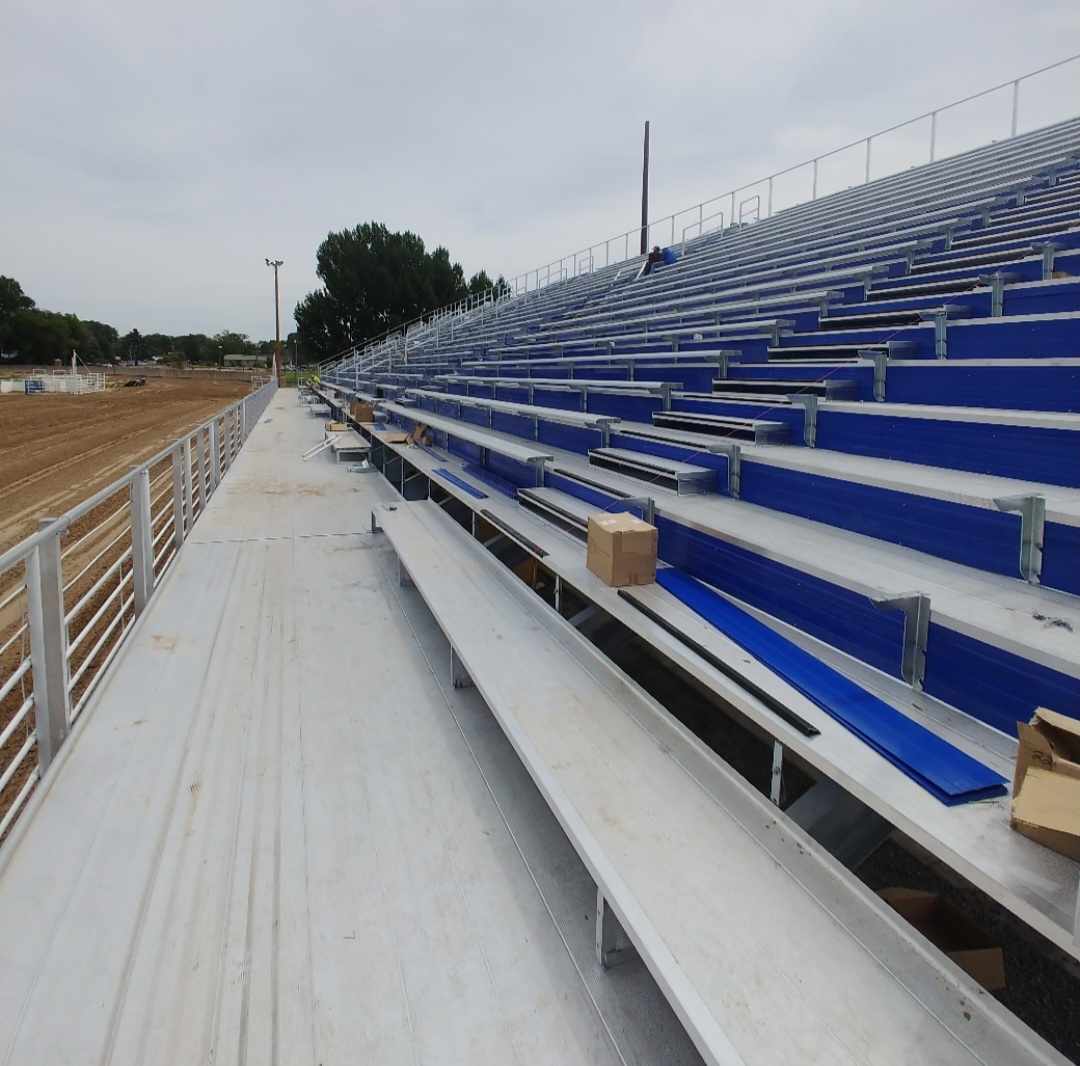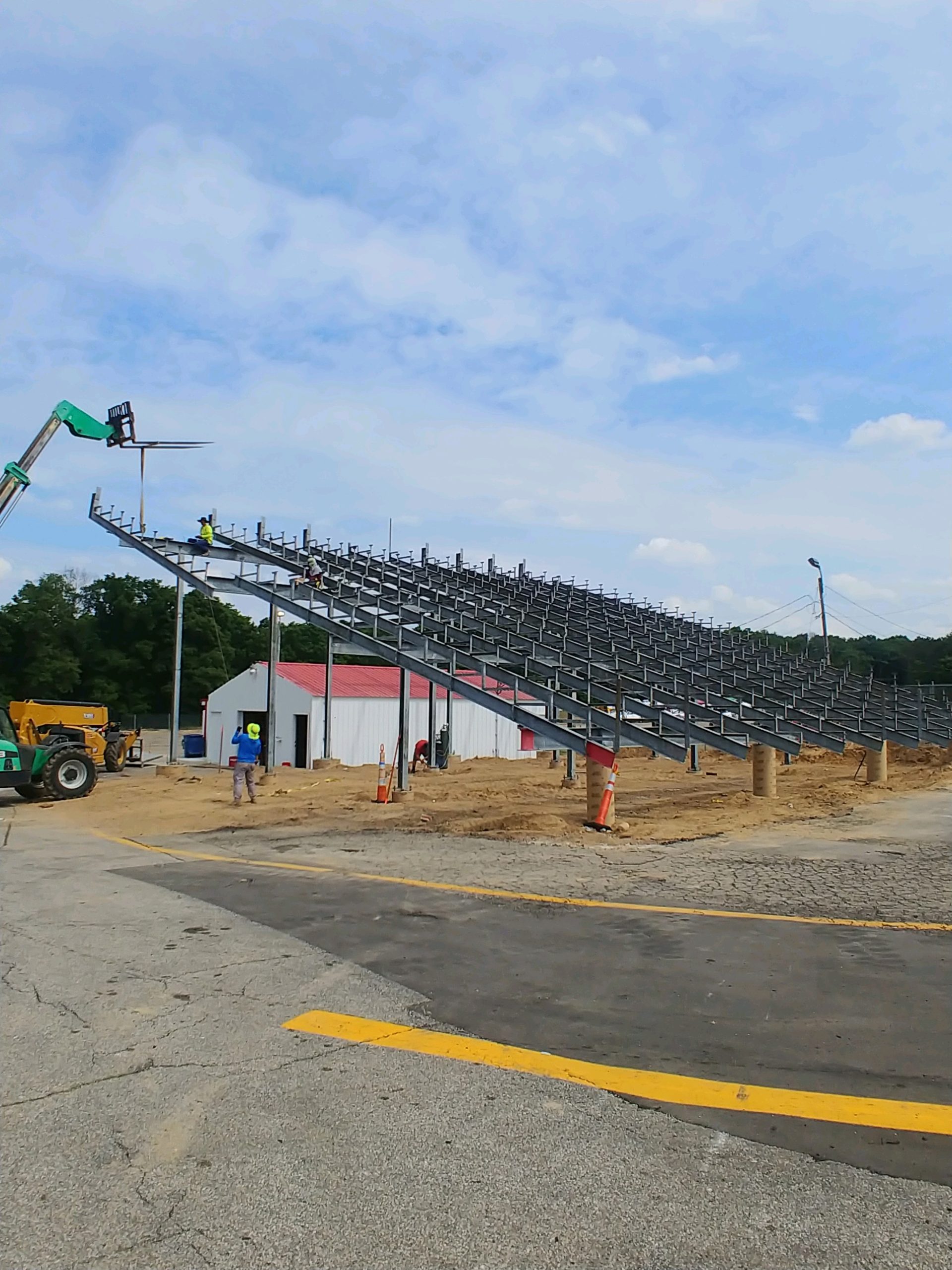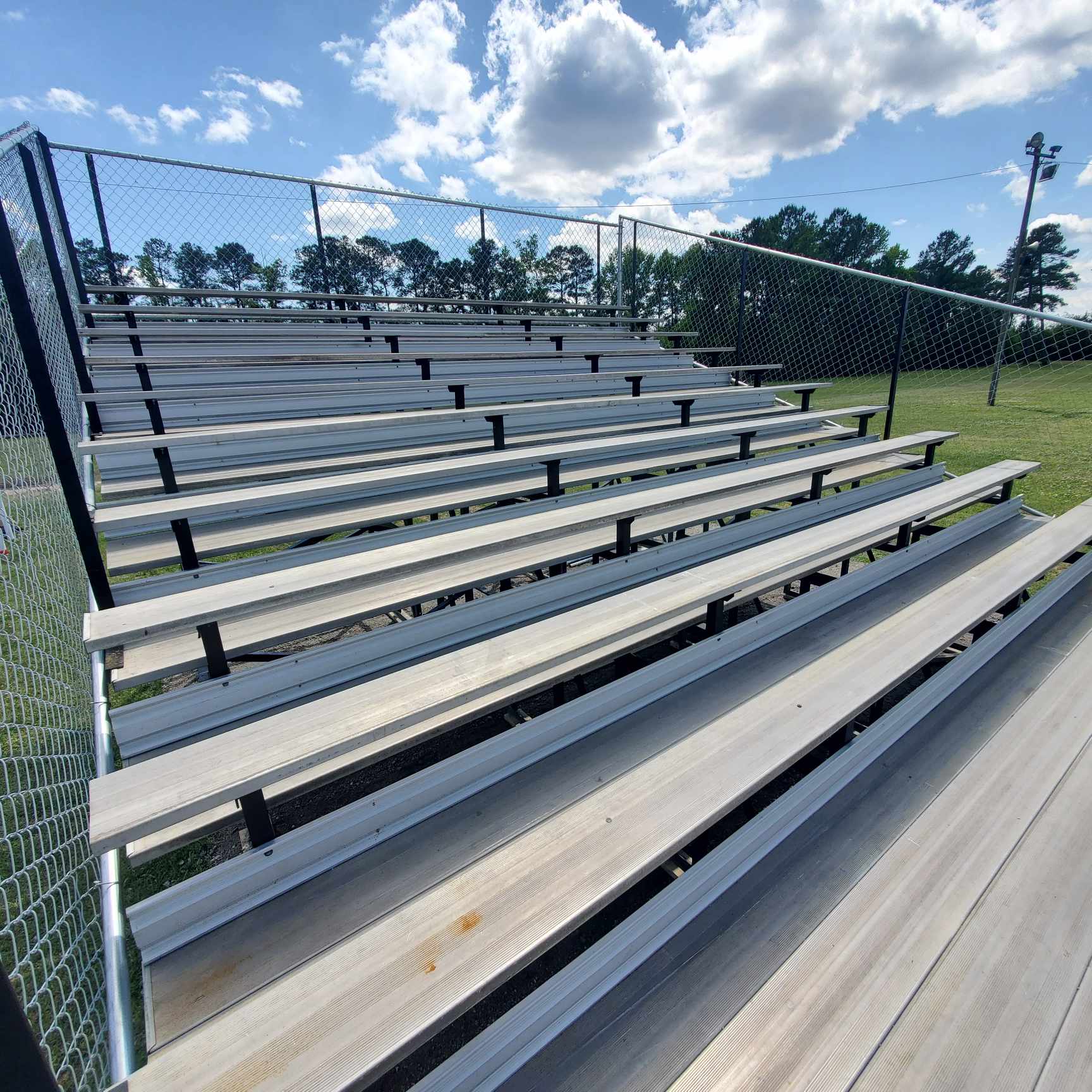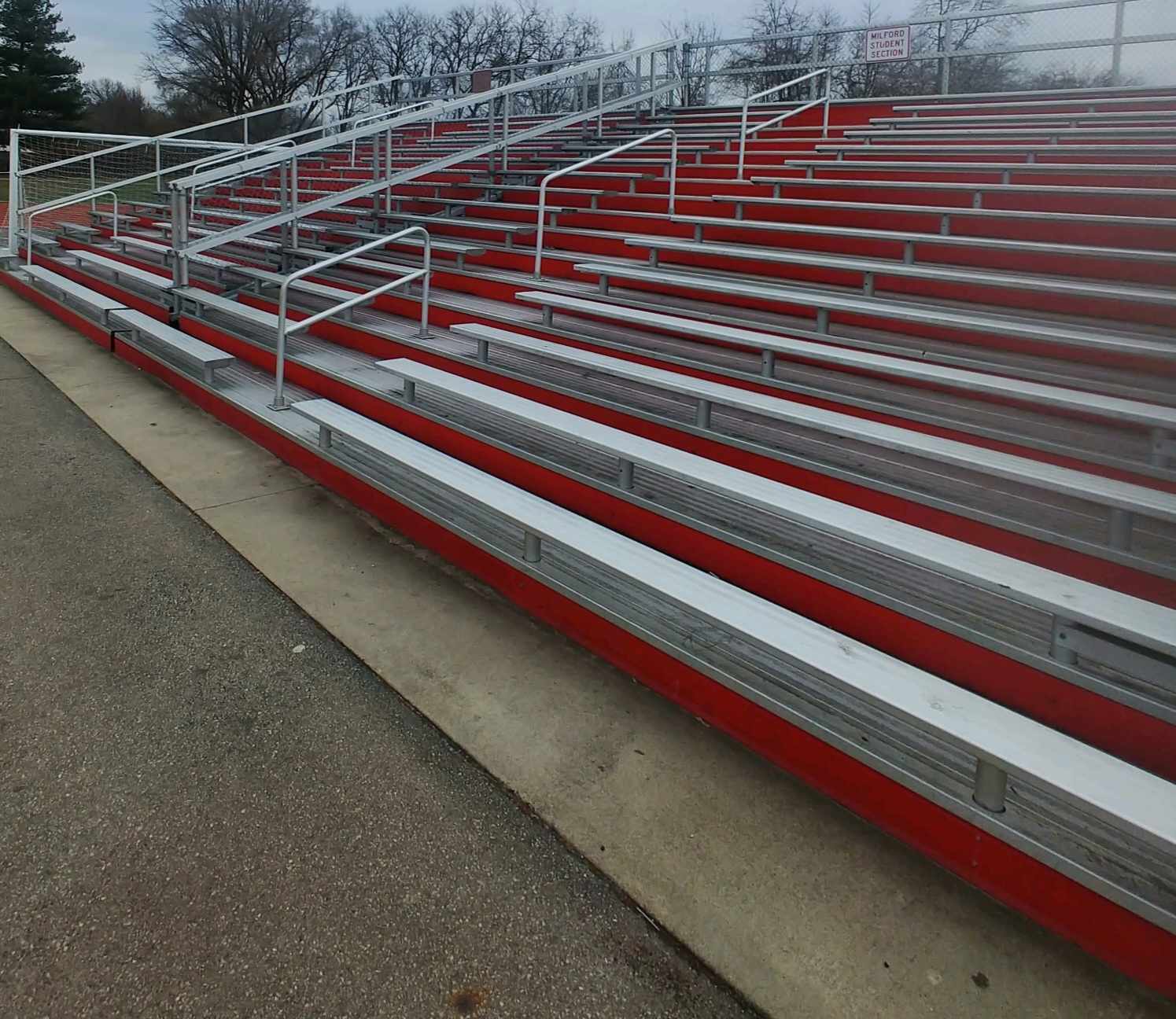
Most tracks do not build their seating all at once. A stand goes up, the crowd grows, a few nights a season sell out, and the question becomes where the next few hundred seats go. Adding seats to a working track is a different problem from building a new stand: you are working around a catch fence, a pit road, parking, a stand that is already there, and a schedule that does not stop for construction.
Here is how to plan it.
Start from the sellout, not the average
Size the expansion for the nights you turn people away, not a normal Saturday. If you sell out three races a year, count how many people you could have sold to on those nights, then plan gates, parking and concessions for the same number. Our guide to planning race track grandstands walks through that math.
Three ways to add seats
| Option | Best when | Watch for |
|---|---|---|
| Extend the front stretch | There is open run along the straight at the same grade | Far seats get a long way from the start-finish line; the new section has to match the old one’s rise and seat height |
| Build taller | Front-stretch length is used up, or the first rows cannot see over the fence | Elevated construction, a front walkway, stair towers and bigger foundations |
| Add a turn stand | Fans want a different view, or you want a second price point | It needs its own aisles, exits, concessions and restrooms |
Extending the front stretch is usually the cheapest seat you can add, because it repeats a stand that already works. Match the new sections to the existing row spacing, rise and seat height so the rows line up, and carry the guardrails through without gaps.
Building taller fixes two problems at once: it adds rows where there is no more length, and it lifts the first row above the catch fence line so the low seats stop looking through mesh. An elevated stand has a front walkway, so people enter from the front or from vomitories instead of climbing over each other from the bottom row.
A turn stand sells a different experience. Some fans want to watch the cars come out of the corner, and a stand there can be priced differently from the front stretch. It is a separate structure with its own route in and out, so plan it like a small new stand.
Sightlines over the catch fence
The fence is the defining fact of race track seating. Rows below the top of the fence see the race through it; rows above it see over it into the turns. Elevating the stand, or starting the first row on a walkway above grade, is how a track gets more of its seats above the fence line. Our GB-R Raceway series is built for exactly that: 12 to 40 rows, elevated to clear the catch fence.
More seats means more exit width
Every seat you add has to get out at the end of the night, all at once, when the checkered flag falls. The building code and ICC 300 set aisle and exit widths by the number of people a stand serves, so an expansion can mean:
- More aisles through the new and existing sections
- Stair towers at the ends of long runs
- Wider gates and a clear path from the stand to the parking lot
- Rework on the existing stand if its exits were sized for the old seat count
Plan the egress for the whole stand, old and new, not just the addition. Our bleacher safety codes guide covers aisles, stairs and guards.
Tie into what is already there
Before the new sections are drawn, the existing stand gets inspected. Tying new seats onto a frame with cracked welds or settled footings passes the problem on to the new work. Check the old stand against our annual inspection checklist, fix what needs fixing, and decide whether the expansion attaches to it or stands on its own.
Build around the race schedule
- Permits and drawings in the season before. Stamped drawings, foundation design and the permit review all take time; our guide to permits and inspections explains the sequence.
- Foundations at the end of the season. Footings go in once the last race is run.
- Erection over the off-season. The frame, decking and rails go up before opening night.
- Phase it if you must. If the work runs into the season, build so that finished sections can open while the rest is fenced off.
Make the new seats pay
An expansion is a good time to add the seats that earn the most: a VIP deck, a covered reserved section, or a tower for flag, timing and media. They cost more per seat to build and sell for more per seat on race night.
Size your front stretch on our race track page, or tell us about your track and we will come back with a layout, a drawing and a number.