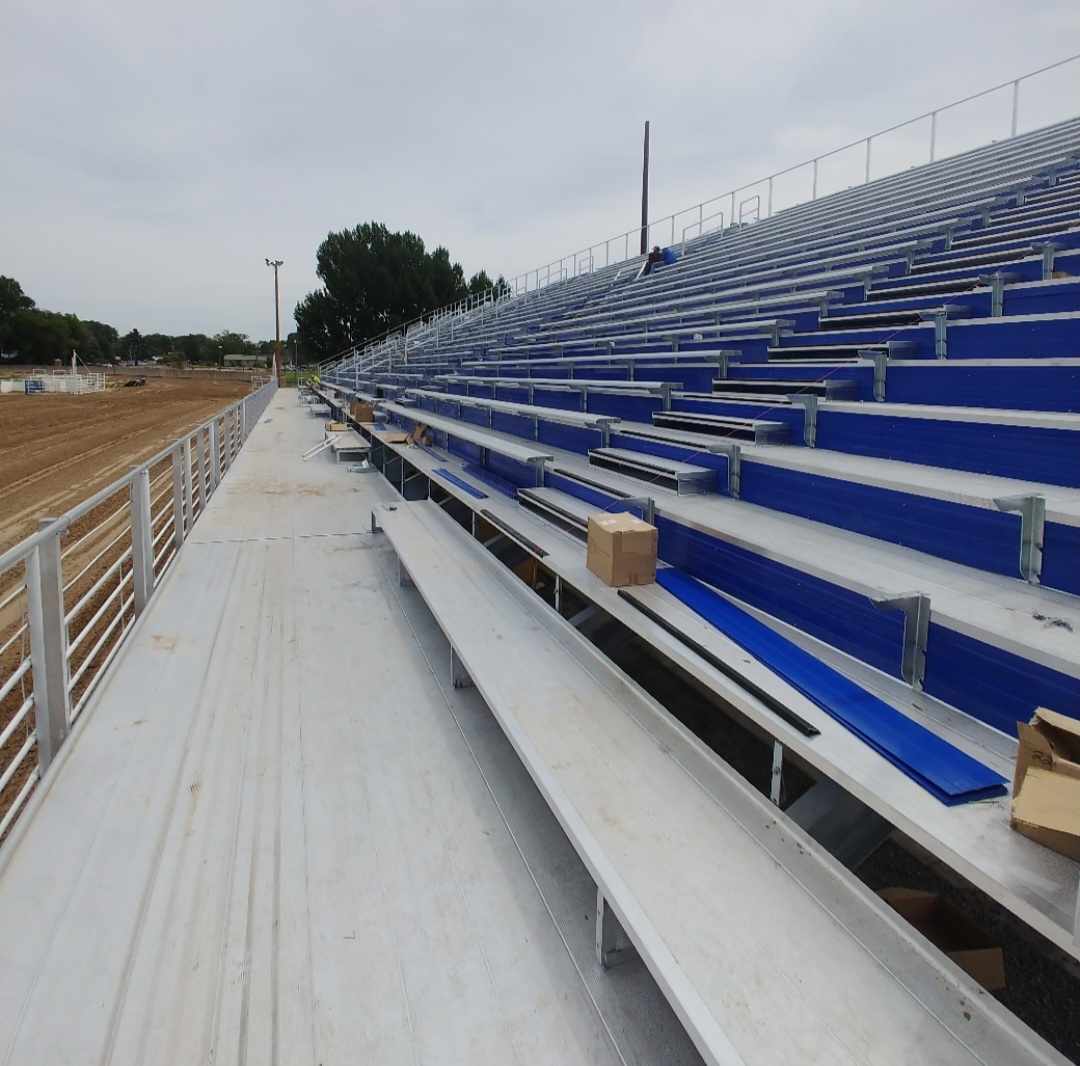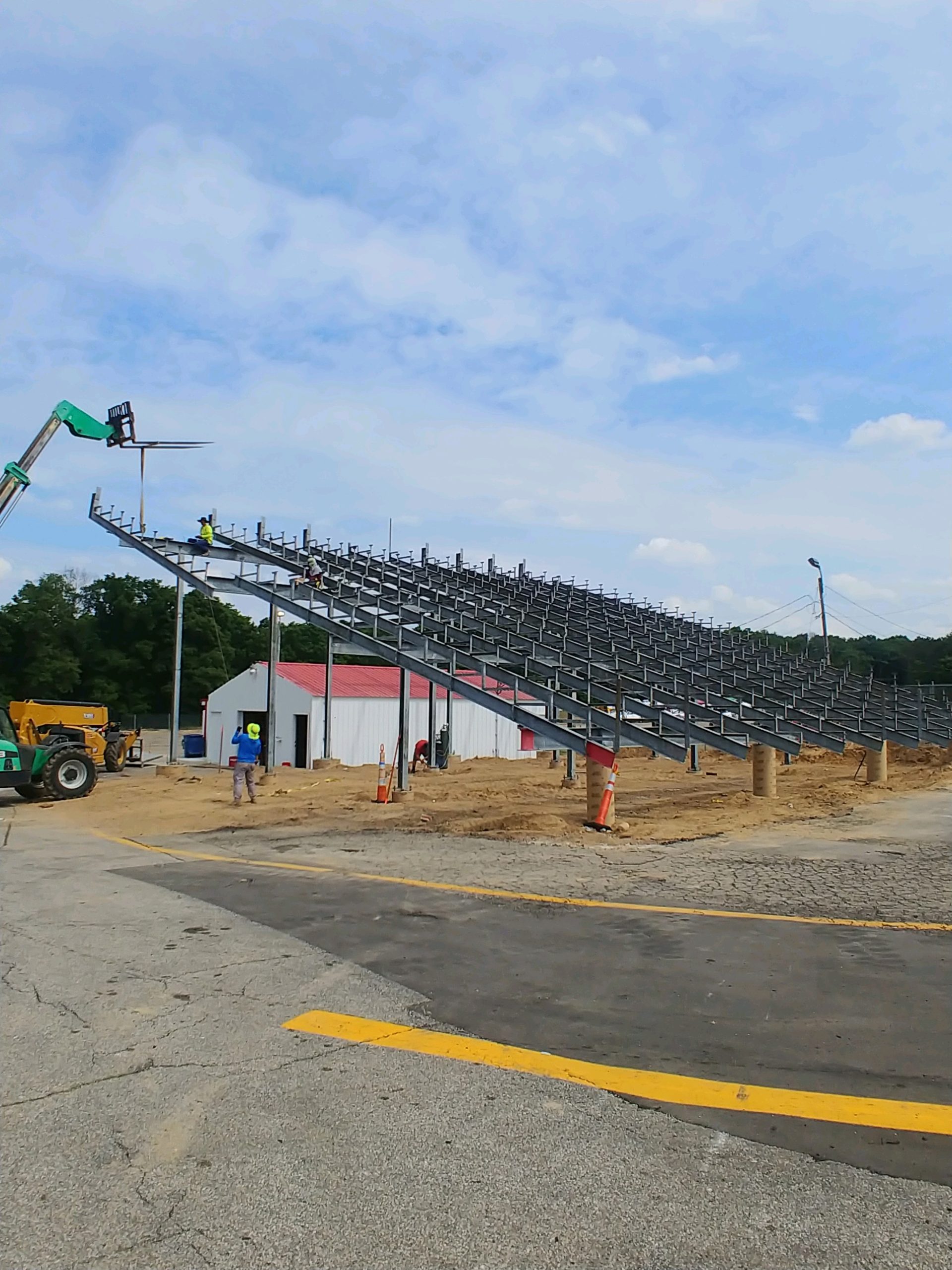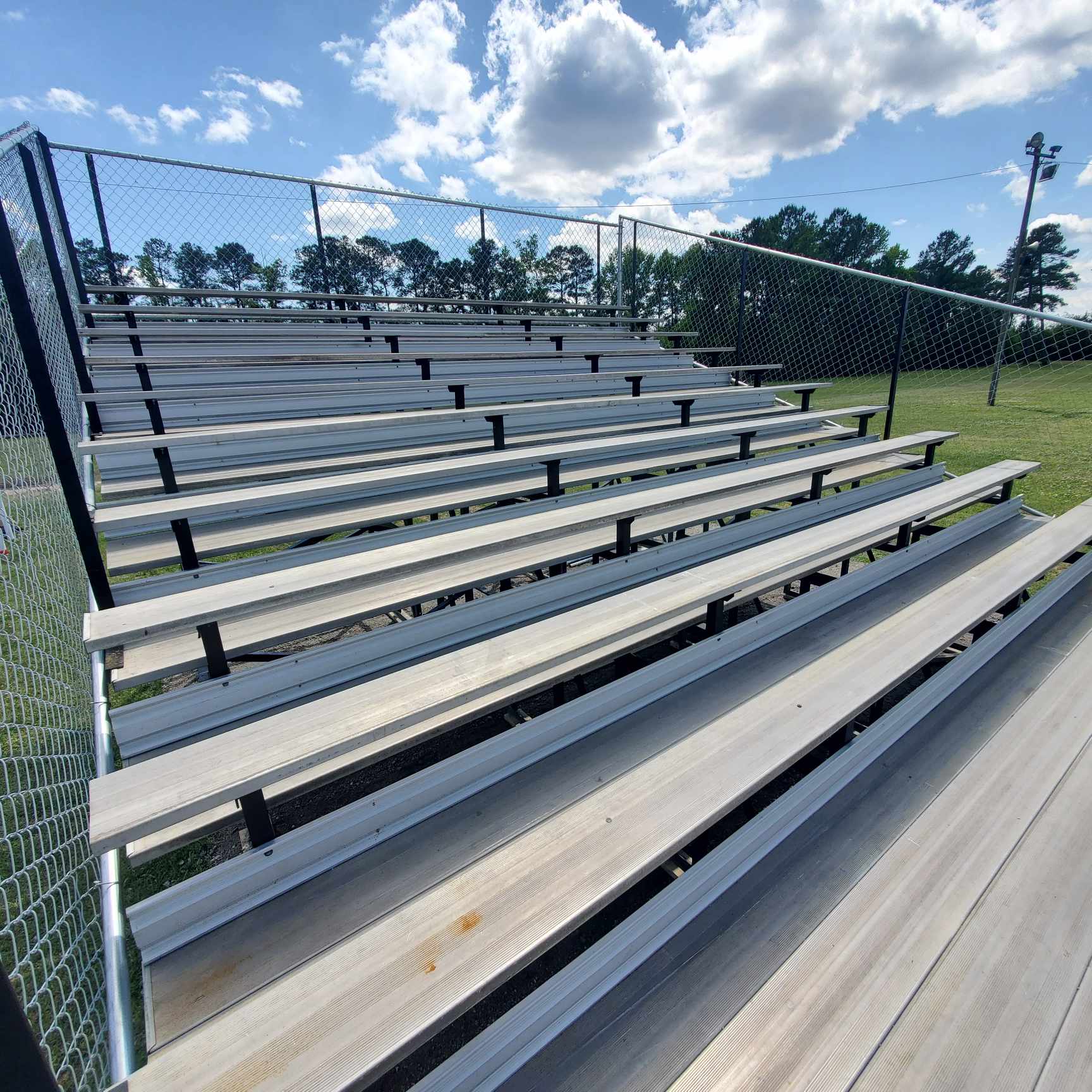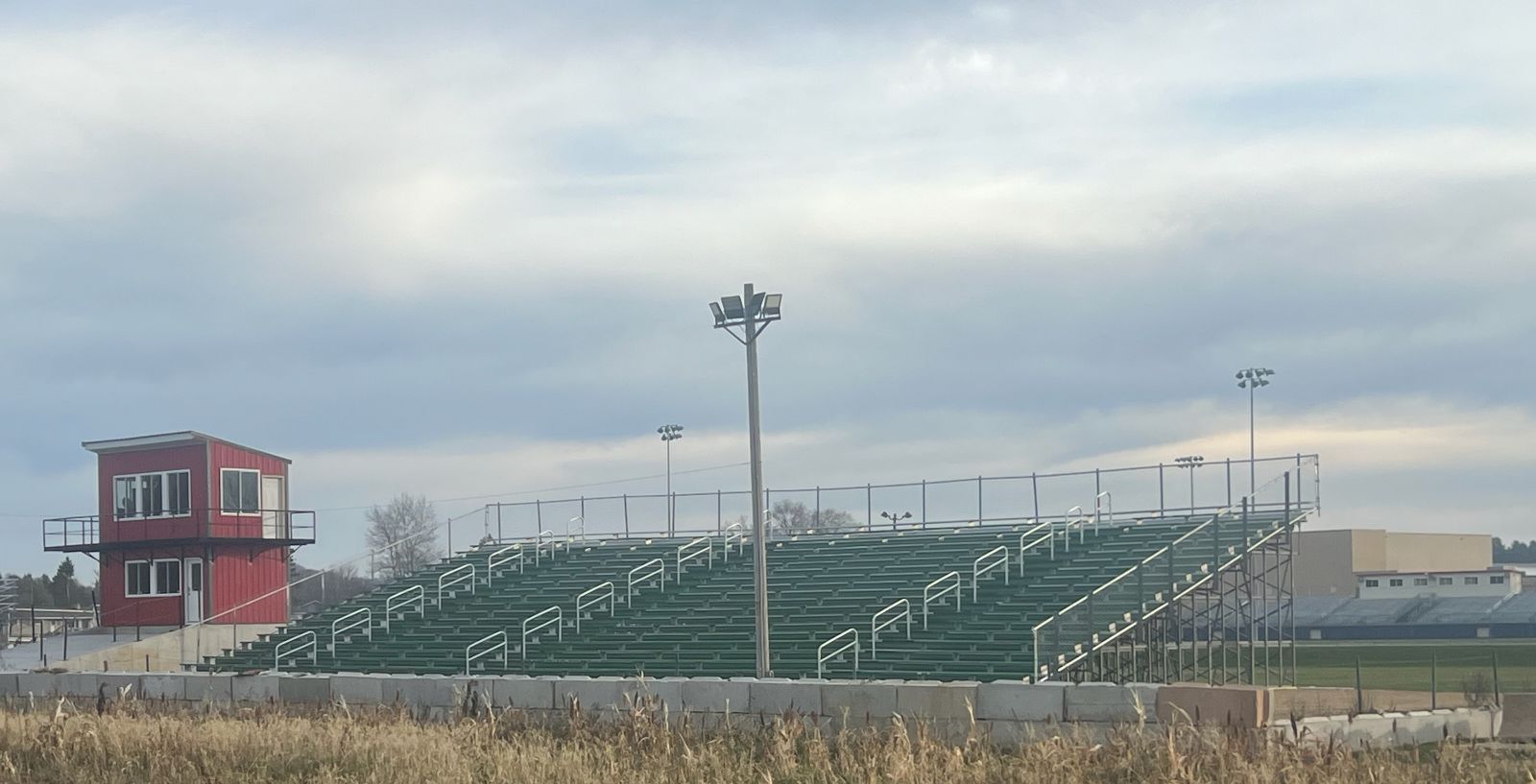
Most new stands are paid for with a mix of sources: a capital budget or a bond, a grant or two, and money the community raises. Here are the sources schools, parks departments and fair boards use, and how to line them up. Programs, rules and deadlines change every year, so check with the agency that runs each one.
Capital budgets and bonds
School districts and local governments usually pay for grandstands through a capital plan or a voter-approved bond. Bond projects run on a long calendar: a needs assessment, a board vote, sometimes a referendum, then the bid. Bring a layout and a quote to the board early; we can provide the layout.
Grants
- Land and Water Conservation Fund (LWCF). Federal matching grants for public outdoor recreation, run through each state’s parks or outdoor recreation office. In North Carolina, for example, grants up to $750,000 require a 50 percent match. Park and municipal ballfields are the usual fit. See the National Park Service LWCF page.
- USDA Community Facilities. Loans and grants for essential community facilities in rural areas of 20,000 people or fewer, for public bodies, community nonprofits and tribes. USDA lists community centers and fairgrounds among its example facilities. Grants can cover up to 75 percent of a project in the smallest, lowest-income communities and less in larger ones. Ask your state USDA Rural Development office whether a seating project qualifies; see the program page.
- Community Development Block Grants (CDBG). HUD funds that local governments can put toward public facilities. Projects have to meet HUD’s national objectives, most often benefiting low- and moderate-income residents. Your city or county community development office runs them; see HUD Exchange.
- State capital grants. Many states fund local recreation and school facility projects through capital budgets or bond bills. Your state legislators’ offices can tell you how the process works where you are.
- Community foundations and local businesses. Local foundations fund community projects, and businesses sponsor named sections, scoreboards, sponsor fascia and press boxes.
Booster clubs and capital campaigns
Boosters raise money with seat and plank sponsorships, naming rights on the press box and campaigns tied to a clear goal and a picture of the new stand. A view from our 3D configurator gives donors something to look at.
Lease-purchase financing
Public agencies can often finance equipment and facilities with a tax-exempt lease-purchase, paying over several years instead of all at once. Your finance office and bond counsel will know what your state allows.
Ways to make the money go further
- Repurposed aluminum: inspected, refurbished and re-engineered seating, installed to the same codes as new
- Phase it: build part of the stand now and extend it later
- Use a standard size: see bleacher sizes and seat counts
- Renovate instead of replace when the frame is sound: see bleacher renovation
Line up the paperwork
Grant applications and board votes ask for the same things: a site plan, a layout with the seat count and accessible seating, a schedule and a cost estimate. We can provide the layout, the seat counts and a quote at current metal prices. Buying through a public bid? See how public agencies buy bleachers.
Send us the site and the crowd and we will send a layout you can put in front of the board.